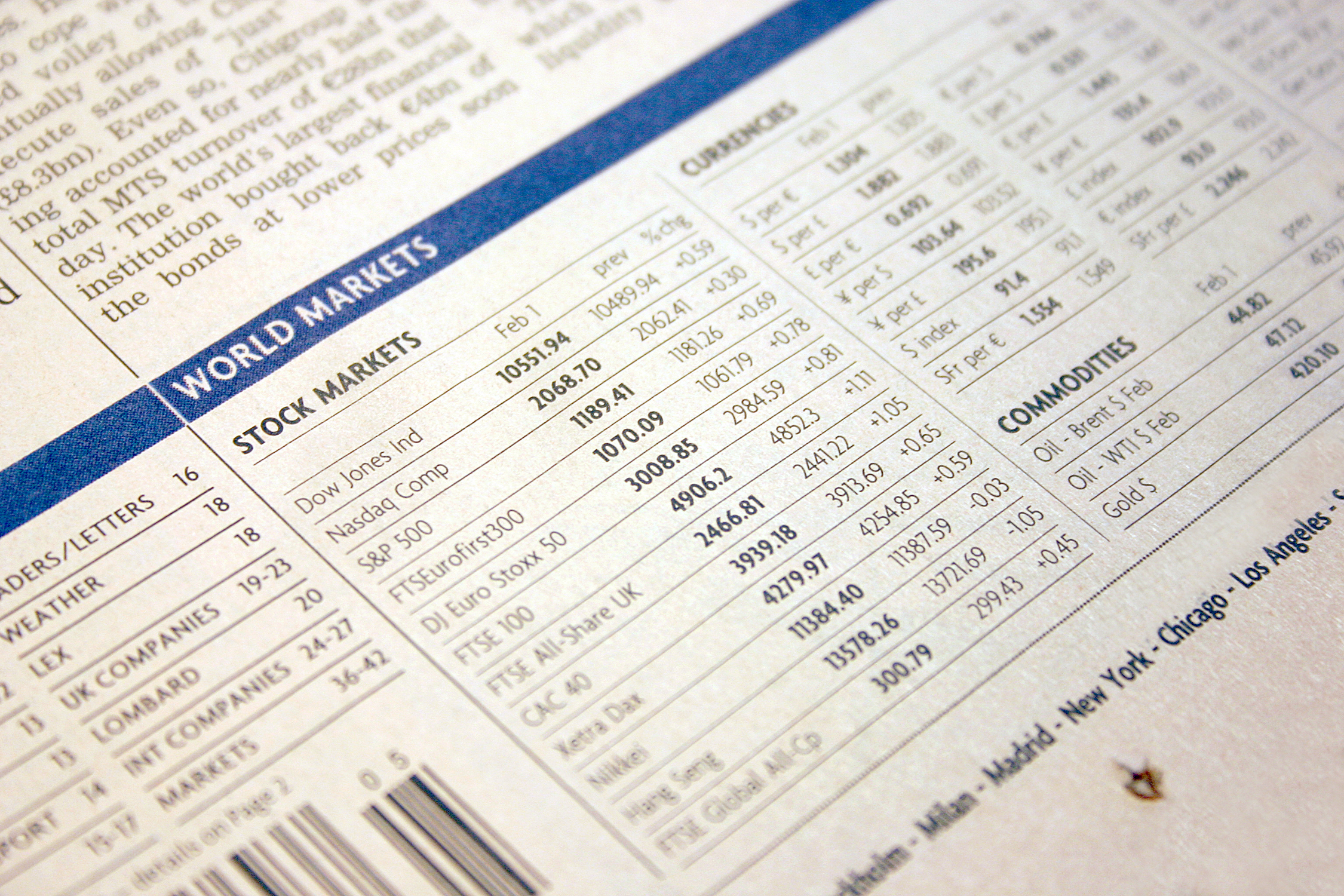
DJIA 49,930.26 | NASDAQ 26,288.92 | S&P 500 7,445.11 | 10-Year Treasury Yield | 4.53%–4.56% | 30-Year Treasury Yield | 5% | Oil / Brent Crude $108–$109/barrel
The stock market had a strong run earlier in the week, but by Friday, investors got nervous again because interest rates moved higher and inflation was still a problem. Reuters reported that the Dow, S&P 500, and Nasdaq opened lower Friday as rising Treasury yields pressured the market.
Fixed Income Desk
Interest Rates Are Still High
This week, the bond market sent a clear message: Do not expect cheap money right now.
The 10-Year Treasury yield moved above 4.5%, reaching about 4.56%–4.57%. That matters because the 10-Year Treasury is one of the numbers lenders watch when deciding how much to charge for loans. The 30-Year Treasury also moved above 5.1%, showing that long-term borrowing costs are still under pressure.
What This Means in Plain English
When interest rates go up:
- loans become more expensive
- business owners pay more to borrow money
- lenders get more careful
- people and companies may delay big purchases
- cash flow becomes more important
Fixed Income Takeaway
Money is still available, but it costs more. If a business needs funding, it should be prepared before asking for it.
That means having:
- clean financial records
- a clear reason for the money
- a plan to pay it back
- proof that the business can handle the payment
Capital Markets Trend
Debt Markets Are Repricing Risk
The big trend this week was simple: The market is adjusting to higher costs.
Debt markets are the parts of the financial system where loans, bonds, and borrowing happen. When people say “debt markets are repricing risk,” they mean lenders and investors are changing what they charge because they see more risk.
Why?
Because inflation is still high.
The Consumer Price Index, which tracks prices paid by everyday consumers, rose 3.8% over the past year in April. Energy prices rose 17.9% over the past year, which is a major reason people are still feeling pressure from fuel, transportation, and related costs.
Producer prices also jumped. The Producer Price Index, which tracks prices businesses pay before products reach consumers, rose 1.4% in April and 6.0% over the past year. That was the largest monthly increase since March 2022.
What This Means in Plain English
If businesses are paying more for supplies, fuel, materials, labor, or transportation, they may raise prices for customers.
That can create a cycle:
Businesses pay more
↓
Customers pay more
↓
Inflation stays high
↓
Interest rates stay high
↓
Loans become more expensive
Capital Markets Takeaway
Businesses can still get funding, but the market is more careful now.
The best-positioned businesses are the ones that know their numbers, understand their cash flow, and do not wait until they are desperate to look for capital.
View From Wall Street
Stocks Are Still Strong, But Not Stress-Free
Wall Street is dealing with two opposite forces right now.
On one side, investors are excited about:
- artificial intelligence
- strong technology companies
- corporate earnings
- growth in big-name stocks
On the other side, investors are worried about:
- high interest rates
- inflation
- oil prices
- higher borrowing costs
- slower consumer spending
Carl’s draft described this well: stocks are optimistic, but bonds are skeptical.
What That Means
The stock market may still go up because investors like big tech and AI companies. But the bond market is warning that inflation and interest rates are still a real problem.
That creates a mixed picture:
|
Part of the Market |
What It Is Saying |
|---|---|
|
Stocks |
People are still excited about growth |
|
Bonds |
Investors are worried about inflation and rates |
|
Businesses |
Borrowing money is still expensive |
|
Consumers |
Higher prices are still being felt |
Wall Street Takeaway
The simple version:
Stocks are hoping for growth. Bonds are warning about higher costs.
That is the tension driving the market right now.
Economic Data Recap
Here are the main numbers from the week, explained simply.
|
Report |
Number |
What It Means |
|---|---|---|
|
CPI / Consumer Inflation |
3.8% over the year |
Everyday prices are still rising |
|
Energy Prices |
17.9% over the year |
Gas, fuel, and energy costs are still a big issue |
|
PPI / Producer Prices |
+1.4% in April |
Businesses paid more for goods and services |
|
PPI Yearly Change |
+6.0% |
Business costs are much higher than last year |
|
Retail Sales |
+0.5% in April |
Consumers are still spending |
|
Retail Sales Yearly Change |
+5.2% |
Spending is higher than last year |
Retail sales increased 0.5% in April, and retail trade sales were up 5.2% from last year, according to the U.S. Census Bureau. That means people are still spending, but some of that spending may simply reflect higher prices.
What to Watch Next Week
Next week, the market will be watching:
- whether interest rates keep rising
- whether oil and energy prices stay high
- what the Federal Reserve says about inflation
- whether big technology stocks stay strong
- whether consumers keep spending
- whether lenders become more careful
- whether business borrowing gets harder or more expensive
The most important thing to watch is whether higher rates start hurting the stock market and business lending more seriously.
Business Financing Takeaway
For business owners, this is the important message: Do not confuse a strong stock market with easy money.
Just because stocks are doing well does not mean loans are cheap or easy to get.
When interest rates are high, lenders usually ask more questions. They want to see that a business has real income, good records, and a plan.
A business should know:
- how much money it needs
- what the money will be used for
- how it will repay the money
- what its monthly cash flow looks like
- whether it can handle higher payments
Preparation matters. Waiting until there is a cash emergency usually makes financing harder.
This week’s market shows why planning matters.
Rates are still high. Inflation is still putting pressure on businesses and families. Lenders are still being careful. That does not mean opportunity is gone, but it does mean people and businesses need to make smart decisions.
The best move is to understand your numbers before you need help. When you know where your money is going, what you owe, and what you can afford, you have more options.
Capital is still out there, but it is not cheap, automatic, or forgiving.
Leave a Reply